


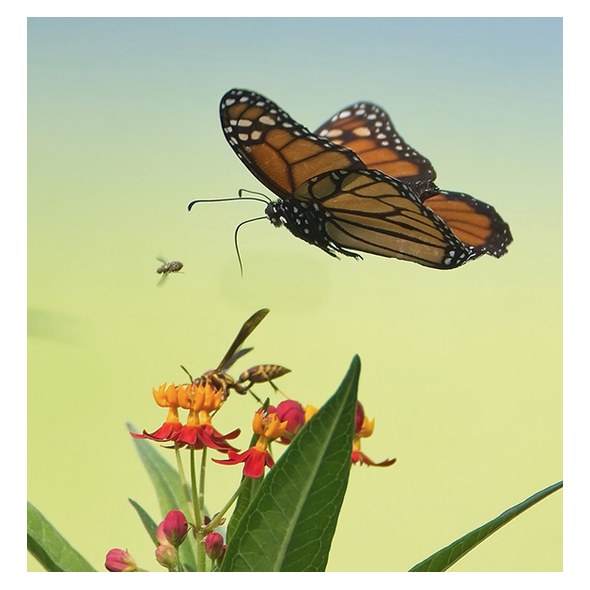
MONARCH BUTTERFLIES: NATURE’S INCREDIBLE TRAVELER
The Monarch butterfly is one of North America’s most recognizable and remarkable insects. With its striking orange-and-black wings and delicate appearance, the Monarch is far more resilient than it looks. Each fall, millions of Monarchs undertake an extraordinary migration. Those east of the Rocky Mountains travel thousands of miles to overwinter in the mountain forests of central Mexico, while western populations generally migrate to coastal California. Remarkably, the butterflies returning north in spring are several generations removed from those that began the journey.
Milkweed is essential to the Monarch’s survival. It is the only plant on which Monarch caterpillars can feed, and it provides the chemicals that make both caterpillars and adult butterflies distasteful to many predators. Planting native milkweed and nectar-producing flowers can therefore provide an important lifeline for Monarchs.
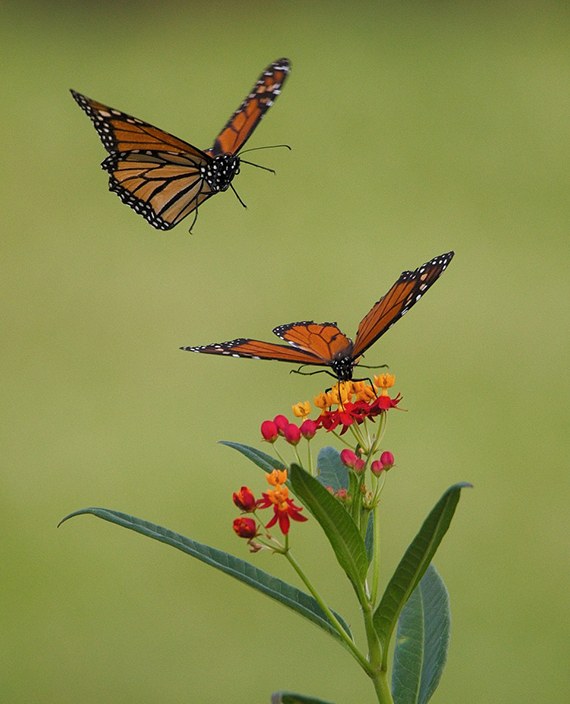
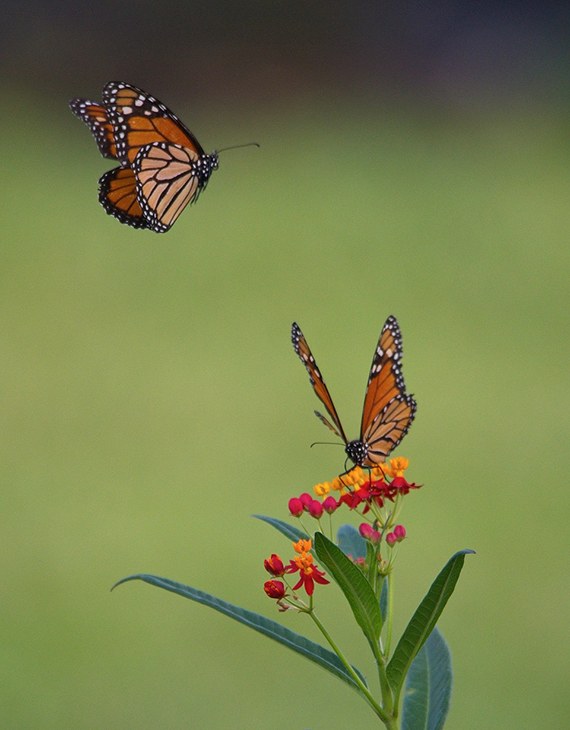
Here in Florida, Monarchs can sometimes be seen during migration and in gardens, parks, and natural areas. Their presence is more than just beautiful—it is a reminder of the importance of protecting native plants and the habitats that sustain pollinators.
The next time you see a Monarch drifting through your yard, take a moment to appreciate it. That little butterfly may be part of one of nature’s greatest journeys.