


As summer heat persists, grab a cool glass of lemonade and let’s consider some gardening challenges this sizzling weather throws our way. Between heat, lighting, rain, and humidity, summertime can get quite uncomfortable in Southwest Florida gardens. Would you be surprised to learn that some of our tropical butterflies have an upper temperature limit or undergo physical adaptations to survive these conditions? Once the thermometer reads more than 90 degrees, the abilities of these cold-blooded creatures to fly, nectar and reproduce is highly compromised.
Gulf Fritillaries and Swallowtails are most prolific during Florida summers because passion vine, which hosts their caterpillars, sports its most vigorous growth during this hot and humid time of year. However, when leaf temperatures of host plants exceed 110 degrees, the likelihood of their caterpillars surviving diminishes significantly. The first stage of metamorphism, the eggs, are in great danger of desiccation at these feverish temperatures.
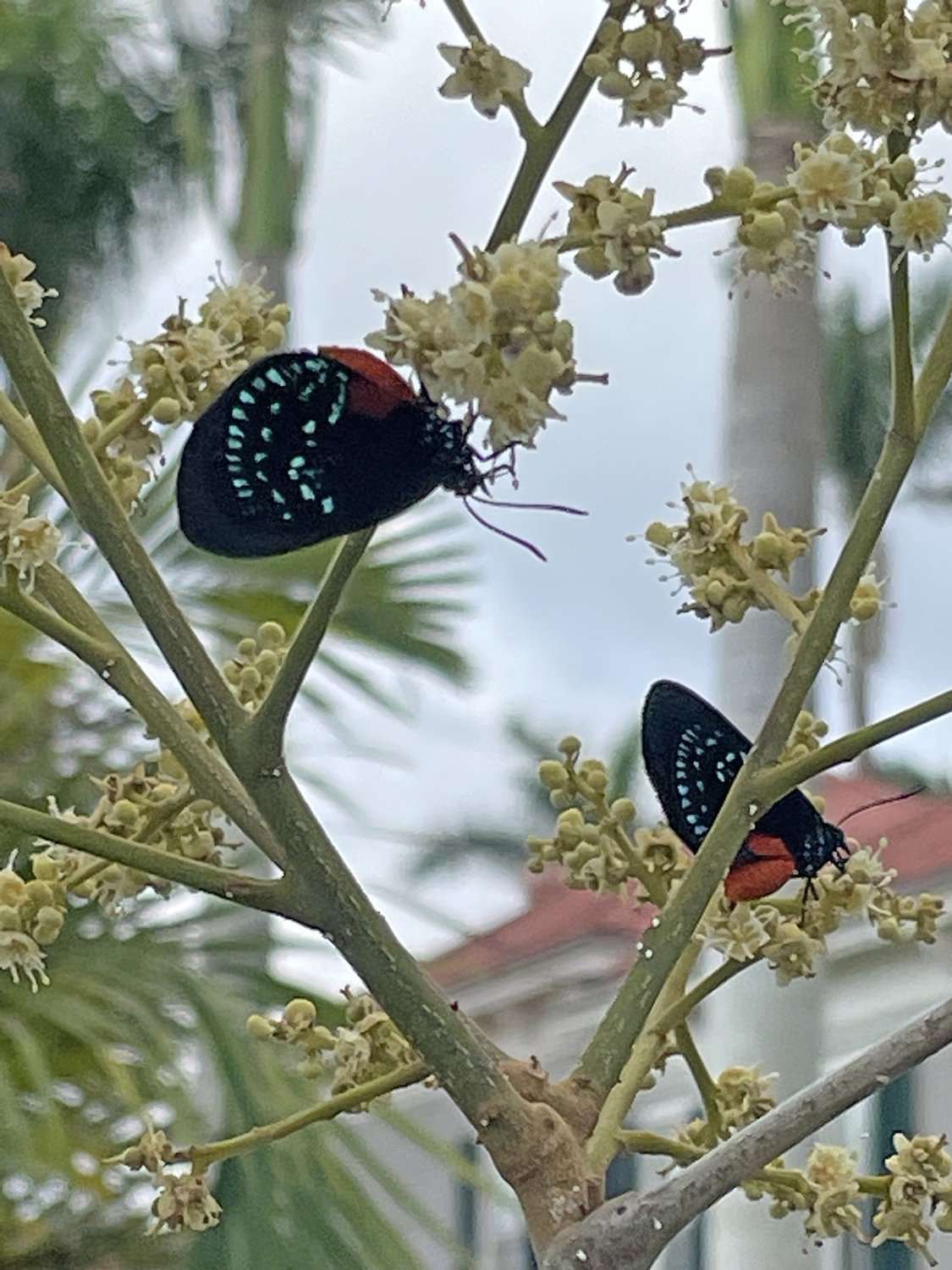
Once thought to be extinct, but now thriving in South Florida – the native Atala butterfly has re-bounded with some people crediting our homeowners who have planted an abundance of Coontie shrubs (Zamia integrifolia), the Atala host plant. In actuality, the credit probably belongs to a combination of the proliferate plantings of Coontie, as well as the Atala’s unique survival skills to cope with seasonal climatic stress.
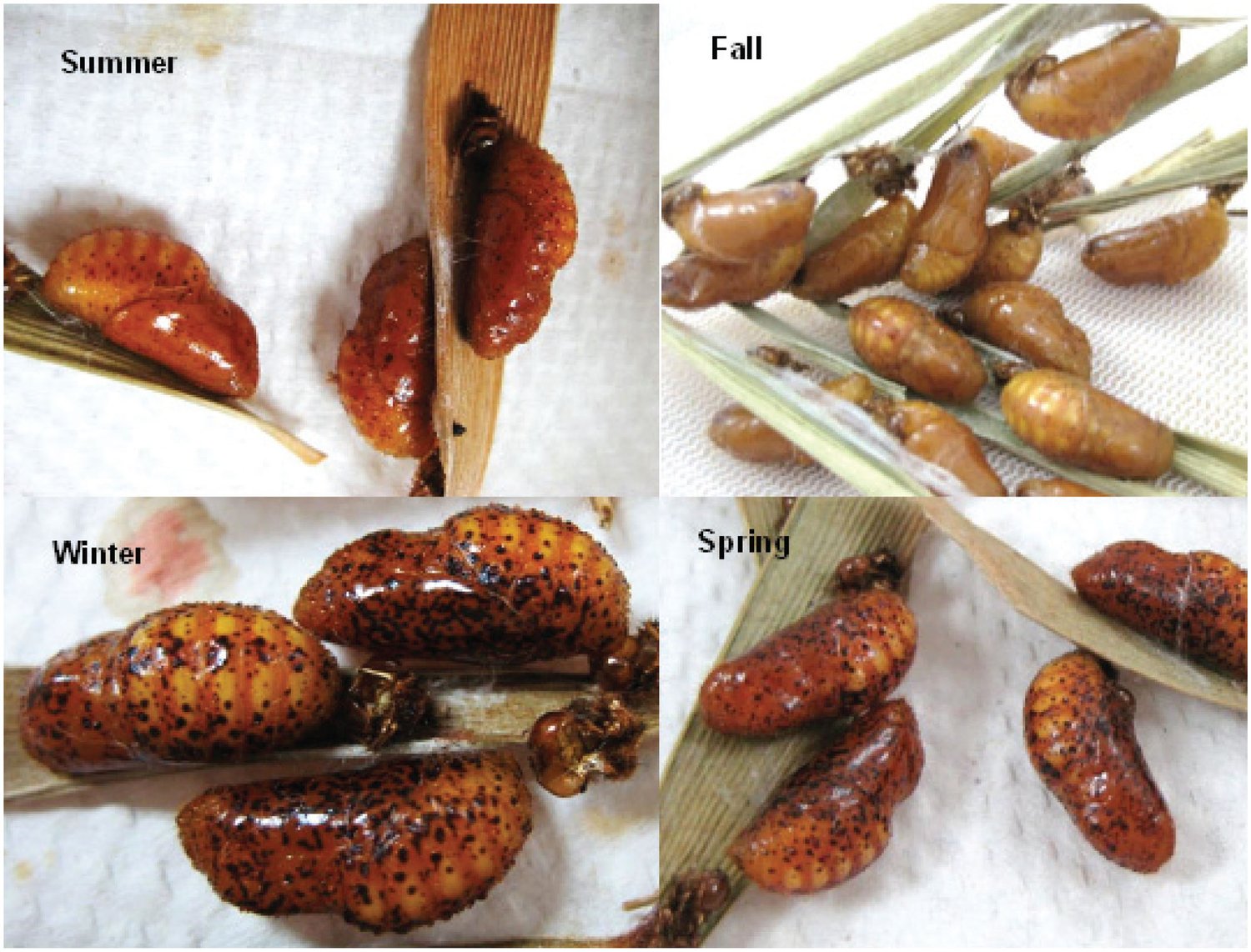
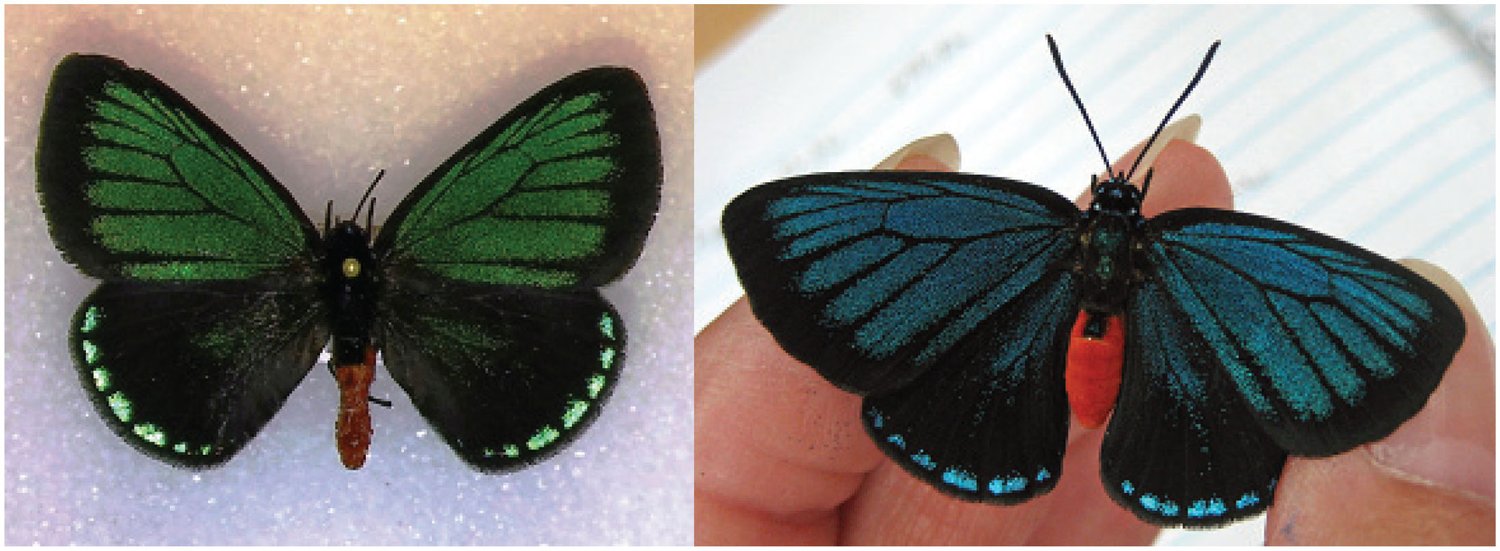
Known as seasonal polyphenism, both the pupae and the adult Atala butterfly manifest physical changes in response to excessive heat as well as cold. In the June 2017 “Florida Entomologist,” the University of Florida wrote of wild populations that were collected from various South Florida areas and re-homed at the University of Florida in Gainesville under controlled environmental conditions. They discovered that during the hottest part of the year (June through September), the caterpillars would feed on soft new growth of the Coontie, thereby expediting pupation. Conversely, in the cooler part of the year (October through February), this batch of caterpillars munched on the old, harder leaves of mature Coontie plants, thereby delaying pupation until weather conditions were more favorable to the survival of the adult.
The study further discovered that the adult males also exhibited a stress-adapted response with different wing color, making it easier for the females to locate them. In the cooler months, the wings are greener with the blue color more apparent during warmer months. In the photos, one can see how the pupae are distinctly different in appearance depending on the season. It is this very strategy employed by the Atalas that also assisted their survival.
As gardeners, we can enjoy and encourage butterflies to our summer gardens by including some thoughtful considerations to enhance their survival. Including dependable summer blooming plants such as lantana, plumbago, pentas, coreopsis and firebush ensure nectar supplies during our hottest months. Though these are all drought-tolerant plants, they must be watered until established and I recommend improving the soil with good compost and mulch to protect the roots from overheating. Enriched soil is key to providing a stabilized environment that offers good moisture retention, allowing for greater root penetration to produce healthier plants that can support wildlife. Some shade, particularly for the host plants such as passion vine, for summer breeding butterflies is a critical component of survival of the initial stages of metamorphosis.
Speaking of stress, let’s pivot to the beautiful roses at Edison and Ford Winter Estates. On the heels of eight or nine months of robust shrubs with abundant blooms, now we bide our time with good maintenance and prepare them for the cooler autumn weather that will produce those large, sumptuous blooms once more. Roses live for water, dry air, and cool nights. During this hottest and wettest part of the year, the gardener’s focus is on disease prevention, air circulation and drainage with the biggest threat coming from fungal diseases such as rust, powdery mildew and blackspot.
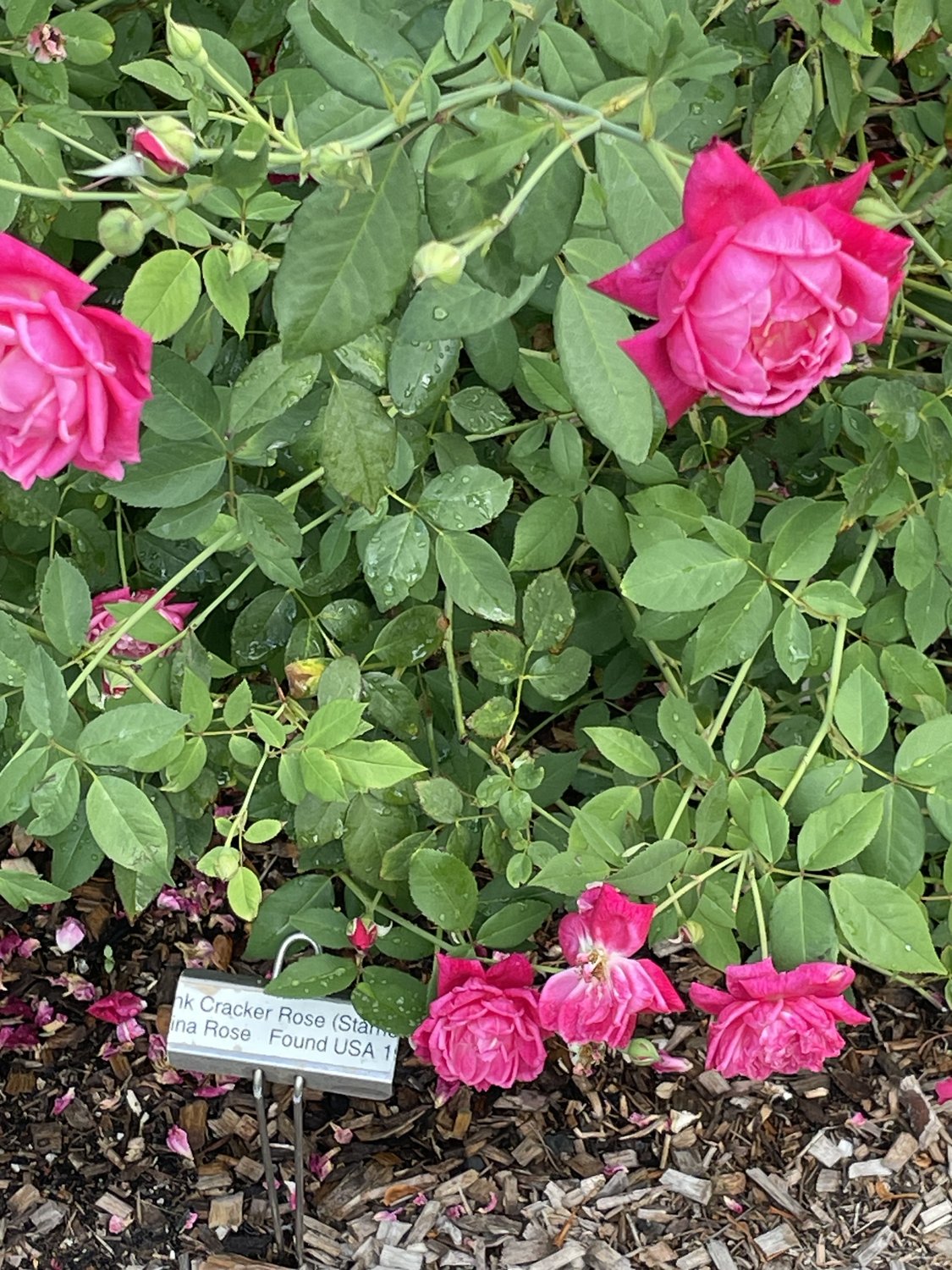
Drift roses and those grafted and grown on Fortunia rootstock can manage this final hot streak, but the real champion in the rose garden is the old cracker rose, Louis Philippe. Introduced into the United States via France to Mexico to Texas, it was bred in France as early as 1834, prized for being a re-blooming China rose. Often confused with Cramoisi Superieur, the true cracker rose rarely reaches heights above five feet. This mildly salt tolerant rose will flower right through the hottest summer, and should it develop some black spot, it will shed infected leaves as it prepares for the new Autumn growth spurt. Its disease resistance has propelled the cracker rose to the top of the list wherever roses are grown in the world, though its storied history is now most closely associated with our Southeast corner of the U.S., hence the name cracker rose.
All roses are heavy feeders and that includes during these very hot months when we’re typically advising gardeners to stop fertilizing. The key here though, is to use a specialized, low intensity formula that is primarily organic. Epsoma organic Rose-Tone with a formulation of 4-3-2 is a perfect feed for use once every five weeks. Our goal is maintenance, not to encourage an unsustainable flush or fast growth and prepare them for their Autumn reincarnation.
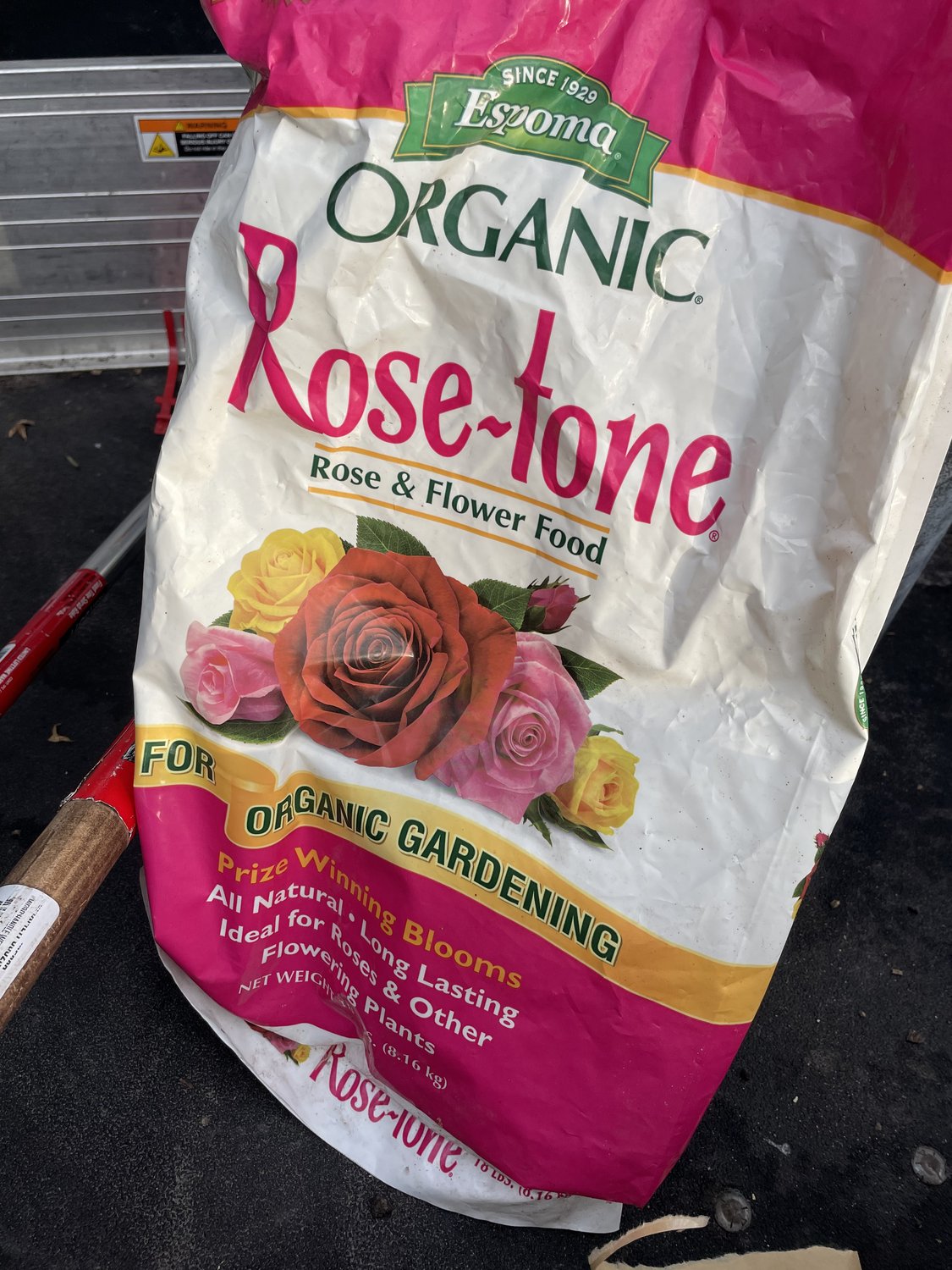
The dreaded chili thrips slow down at the end of summer, but it is important to keep in mind that they feed on the new, delicate growth. Minimize pruning to simple deadheading and keep that nutrition at low, steady levels. Keep an eye out for any diseased leaves indicating black spot and remove and destroy promptly.
Well-spaced roses allow for air circulation and give them the best chance to dry as much as possible because it is humidity that opens the door to black spot. The same goes for watering – only water dry soil. I typically water deeply around the outer edge of the plant canopy which forces roots to grow out and away from the rose, developing a stronger plant. At all costs, particularly during this rainy season, avoid additional water splash on any of the upper leaves so as not to exacerbate high humidity levels.
Karen Maxwell is a Florida and Maine Master Gardener, Florida Master Naturalist and Certified Florida Horticulture Professional.